How to Value a LEGO Set With No Box or Instructions
Missing the box or instructions? Here is how to estimate a fair used value for your LEGO set and decide whether to sell it whole or part it out.
Ranking · 2026A LEGO set without its box or instructions is still worth money, but rarely full retail. Buyers of used LEGO pay for completeness, condition, and confidence that every part is present, and each missing element chips away at that. The good news is that a set with no packaging can still fetch a solid price if the bricks and minifigures are all there. The challenge is figuring out a realistic number rather than guessing.
This guide walks through how missing packaging, paperwork, and minifigures affect price, how to look up what similar sets actually sold for, how to clean and prepare a set for sale, and when it makes more sense to sell the pieces individually instead of the whole set.
Why the Box and Instructions Matter Less Than You Think
Collectors often overestimate how much a box adds to value. For most retired sets, the original box is a modest premium, not a make-or-break factor. Instructions matter a little more for large builds, but they are widely available as free PDF downloads from LEGO's own site, which softens the loss. What buyers care about most is that the set is complete and building-ready.
As a rough hierarchy, a sealed set in a mint box commands the most, followed by a used-but-complete set with box and instructions, then a complete set with no box, and finally an incomplete set. The gap between "used complete with box" and "used complete, no box" is usually smaller than the gap between "complete" and "missing pieces." There are exceptions: for grail-tier collector sets like large licensed builds or vintage themes, an intact box can add a meaningful premium because those buyers are collecting the whole package, not just the model. For the average retired set that sells to builders, the box is a nice-to-have rather than the main driver.
Not sure what your set is worth? Compare the best tools free →How Each Missing Element Cuts Value
It helps to think of a used set as a stack of separate value layers, each of which can be subtracted. Missing the box typically trims a small single-digit to low double-digit percentage off a used-complete price, larger for collector-grade sets and smaller for common ones. Missing printed instructions costs even less, often only a few percent, because free PDFs replace them; the exception is rare early sets whose instructions were never digitized. Missing stickers or having them poorly applied is a quiet value killer that many sellers ignore, since unused or correctly placed stickers signal a careful owner.
The steepest drop comes from missing bricks and especially minifigures. A set advertised as "complete" instantly loses buyer trust if even a couple of small elements are absent, and licensed figures can erase a large share of the value on their own. Damaged or discolored parts, such as yellowed white bricks or chewed pieces, also pull the price down because they are hard to replace cleanly. When you build your estimate, subtract these layers one at a time from a used-complete baseline rather than picking a single vague discount.
See the ranking →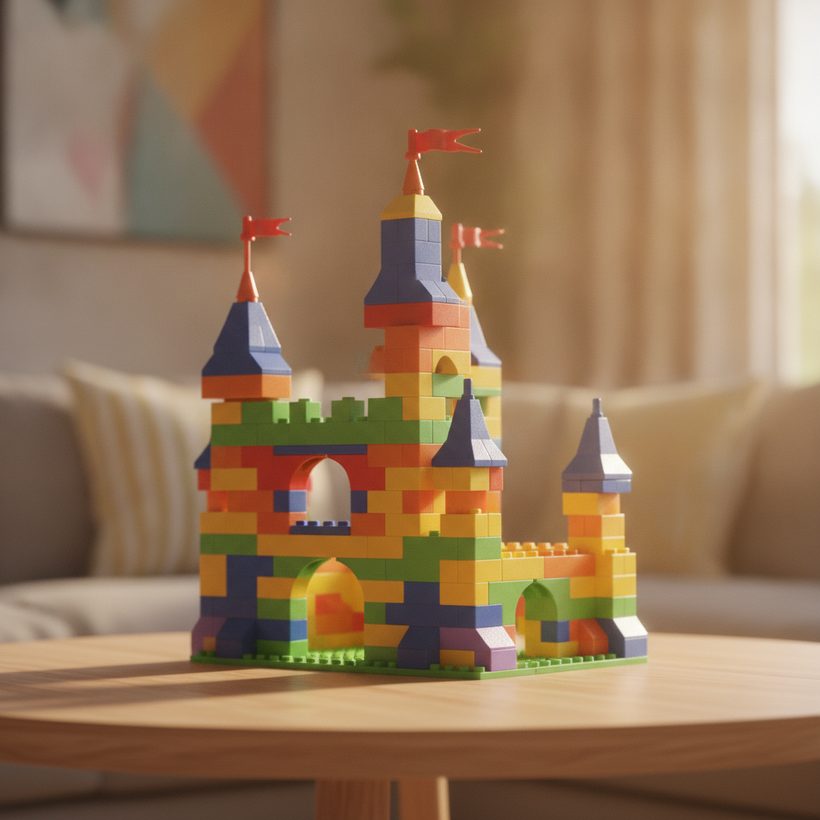
How Missing Minifigures Change the Math
Minifigures are where value concentrates. A single sought-after minifigure can be worth more than the rest of the set combined, especially in licensed themes like Star Wars, Harry Potter, or Marvel. If your set is missing even one key figure, expect the price to drop sharply, because buyers will need to source that figure separately at a premium.
Before you value the whole set, identify each minifigure and check whether any are rare or exclusive. A set that is complete except for its bricks but has all figures often sells better than the reverse. When you research comparable sales, always confirm whether those listings included the full figure roster.
Watch out for a common trap: reproduction or aftermarket minifigures that look official but are not. Buyers of high-value figures inspect leg and torso prints, arm printing, and the tiny mold markings under the feet, and an undisclosed fake will sink both the price and your seller reputation. If you are not certain a figure is genuine, describe it as unverified rather than authentic. When a set's value hangs almost entirely on one or two figures, it is often smarter to list those figures on their own and sell the remaining bricks as a bulk lot, capturing the figure premium instead of burying it inside a whole-set price.
Used-Complete vs. Incomplete: Setting a Baseline
Start by honestly grading your set. Used-complete means every brick and figure is present, cleaned, and structurally sound, even without packaging. Incomplete means one or more elements are missing. These two categories sit in very different price bands, so be honest before you list. If you are unsure which band your set falls into, a quick look at how the leading valuation tools ../index.html?utm_source=blog&utm_medium=article&utm_campaign=value-lego-set-without-box bucket condition can anchor your grade before you commit to a number.
To find a baseline, look up real sold prices rather than asking prices. Asking prices reflect hope; sold prices reflect the market. Our top pick for verified sold data is BrickGains, which aggregates real completed-sale prices across marketplaces so you are working from what buyers actually paid. You can start with the tools we compare ../index.html?utm_source=blog&utm_medium=article&utm_campaign=value-lego-set-without-box to see how used-complete values trend for your specific set.
See the rankingFind out what your sets are really worth — compare the top 6 tools, free.See the ranking →Understanding Part-Out Value
"Part-out value" is the total you could earn by selling a set's individual bricks and minifigures separately rather than as one lot. Because loose parts serve builders repairing or customizing other sets, the sum of the pieces can exceed the whole-set price, particularly for older sets rich in useful or rare elements.
The standard way to estimate part-out value is through BrickLink, the largest marketplace for individual LEGO parts. BrickLink can total the current market value of every element in a given set number, giving you an upper bound on what parting out might yield. Treat that figure as a ceiling, not a guarantee, since selling parts takes time, listing effort, and many small shipments before you realize the full amount.
Two BrickLink numbers matter and people confuse them. The average sold price reflects what parts actually moved for over recent months, while the current listing average reflects what sellers are asking today. Lean on the sold figures, and apply a discount for the reality that not every part sells: small, common bricks can sit unsold for a long time, so the practical part-out return is usually well below the theoretical total. Factor in per-order fees and shipping too. A part-out only beats a whole-set sale once the discounted, fee-adjusted total clears the used-complete price with enough margin to justify the extra hours of listing and packing.
See the ranking →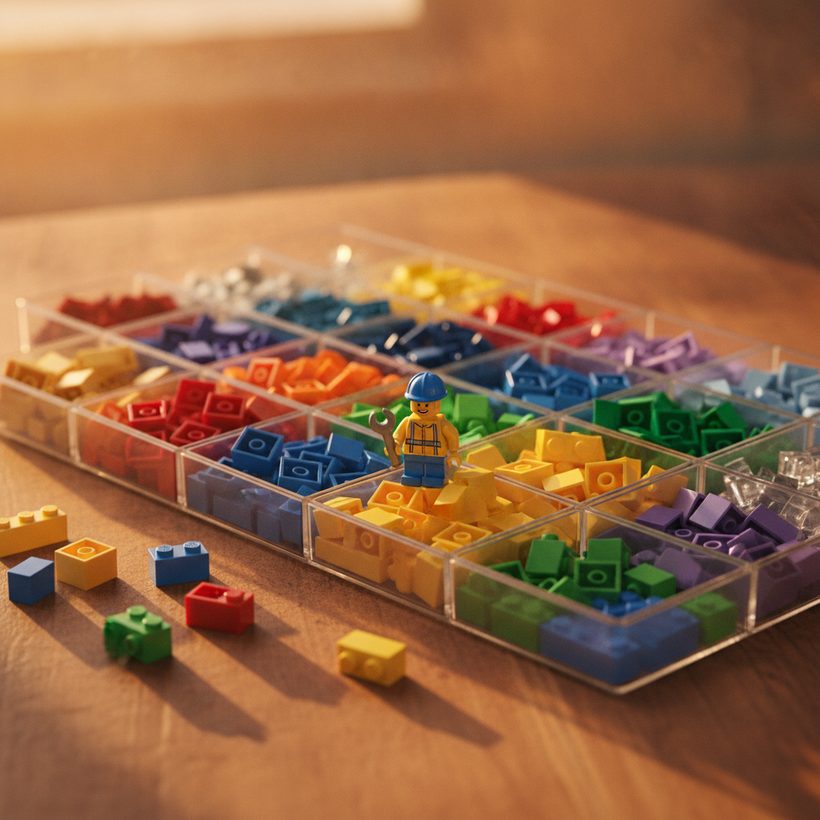
How to Look Up Real Used Sold Prices
Reliable valuation comes down to good comparables. Search by the exact set number, filter to sold or completed listings, and note the condition described. A few habits improve accuracy:
- Match condition: compare your no-box set only against other no-box, complete listings.
- Ignore outliers: one unusually high sale does not set the market; look at the cluster.
- Check the date: LEGO values drift over time, so recent sales matter most.
- Confirm completeness: read descriptions to verify all figures and pieces were included.
Cross-referencing a couple of sources gives you a defensible range. If you want a faster read on trends and averages, review how the valuation tools ../index.html?utm_source=blog&utm_medium=article&utm_campaign=value-lego-set-without-box handle sold-price data rather than manually scraping every marketplace yourself.
Cleaning and Prepping a Loose Set Before You Sell
Presentation moves price, and a set with no box has to sell on the condition of the bricks alone. Start by washing removable elements in lukewarm water with a little mild dish soap, avoiding hot water that can warp or dull the plastic. Skip printed pieces, stickered parts, electronics, and large panels in the water; wipe those by hand instead. Let everything air-dry fully before reassembly, because trapped moisture leads to haze and, over time, mildew smell that buyers notice.
Once clean, decide whether to sell the set assembled or disassembled in bags. Assembled sells faster and photographs better, but ships at higher risk and cost for large builds; bagged-by-step protects fragile models and reassures buyers that parts are sorted. Either way, take clear, well-lit photos of the actual set, include a shot of all minifigures together, and state honestly that the box and instructions are absent while linking the free PDF. Accurate, generous photos reduce returns and disputes, which protects the price you finally get.
When to Sell as a Set vs. Part It Out
Sell the set whole when it is complete, the assembled value is close to or above the part-out total, and you want a quick, low-effort sale. A complete no-box set with all minifigures is usually easiest to move as a single lot.
Consider parting out when the set is incomplete, when the part-out estimate meaningfully exceeds the whole-set price, or when the set contains standout minifigures that sell better alone. Incomplete sets in particular often earn more as parts, since you are no longer penalized for the missing element. Weigh the extra effort and shipping hassle against the higher potential return before committing, and if you are unsure, price both routes using the comparison tools ../index.html?utm_source=blog&utm_medium=article&utm_campaign=value-lego-set-without-box and let the numbers decide.
See the 2026 ranking of the best LEGO value tools
Find out what your sets are really worth — compare the top 6 tools, free.
See the rankingFrequently asked
Is a LEGO set worth much less without the box?
Usually only somewhat less. For most retired sets the box is a modest premium rather than a major factor. A used-complete set with no box still sells well as long as every brick and minifigure is present and the build is clean.
Where can I get instructions if mine are missing?
LEGO offers free building-instruction PDFs for the vast majority of sets on its official website, searchable by set number. Because the paperwork is easy to replace, missing instructions have a limited effect on value compared with missing parts or figures.
What is part-out value and why does it matter?
Part-out value is what you could earn selling a set's bricks and minifigures individually instead of as one lot. For older or figure-heavy sets the parts can total more than the whole, which is why BrickLink's part-out estimate is worth checking before you sell.
How do I find what my used LEGO set actually sold for?
Search by exact set number and filter to sold or completed listings, matching your set's condition. Verified sold-price aggregators like BrickGains speed this up by pulling real completed-sale data so you value from what buyers paid, not asking prices.
Should I clean and reassemble a loose set before selling it?
Yes, within reason. Gently washing removable bricks in mild soapy water and drying them fully improves presentation, but keep printed, stickered, and electronic parts out of the water. Selling the set assembled or neatly bagged with clear photos of all minifigures builds buyer trust and reduces returns.