Sealed vs Used LEGO: How Much Does Condition Matter?
The premium for sealed sets can be steep, but it is not universal. Here is how condition, seals, and box wear translate into real dollars.
Ranking · 2026Ask two LEGO collectors what a retired set is worth and you may get two very different answers. The reason is almost always condition. A factory-sealed box and a loose, played-with copy of the same set can trade at wildly different prices, yet the gap is not fixed. It swings with the theme, the set's age, and how picky the buyer happens to be.
This guide breaks down the real difference between sealed and used LEGO value: what the sealed premium actually looks like, how box condition and seals move the needle, when a used set is the smarter buy, and how to confirm both figures in sold-price data before you commit.
Not sure what your set is worth? Compare the best tools free →What "sealed" really means (MISB, NISB, and the grading vocabulary)
The condition ladder starts with terminology, and precision matters here because listings often blur the lines. MISB means "Mint In Sealed Box": the set is unopened, with intact factory seals and a box in clean shape. NISB means "New In Sealed Box" and is used almost interchangeably, though some sellers reserve it for sealed sets whose boxes show honest shelf wear.
Below sealed sits used-complete: the set was built or opened, but every piece, minifigure, and often the instructions and box are present. At the bottom is incomplete, where pieces or figures are missing. Each rung down typically means a lower price, and the labels only hold value if the seller is honest about them.
Condition grading terms every buyer should know
Beyond the sealed-versus-used split, the resale market leans on a handful of grading terms that quietly shape price. Getting fluent in them protects you from paying a sealed price for a used copy, or the reverse.
- Mint: as close to factory-fresh as a set gets. For a sealed box this means crisp corners and clean, unbroken seals; for a used set it implies a complete, unmarked build with no wear.
- Used-complete: opened and built, but nothing missing. This is the workhorse grade most secondary sales fall into, and it usually carries the widest price range because "complete" can still hide flaws.
- Incomplete: one or more pieces, figures, or the instructions are gone. Value drops sharply, and the discount depends entirely on what is missing.
- Bricks-only: no box, no instructions, sometimes no minifigures. Buyers here are usually after parts rather than a collectible, and price reflects that.
When a listing skips these words, treat vagueness as a warning. "Great condition" is not a grade. Ask whether the seals are original, whether the build is complete, and whether the box is included, because each answer maps to a different rung on the value ladder.
See the ranking →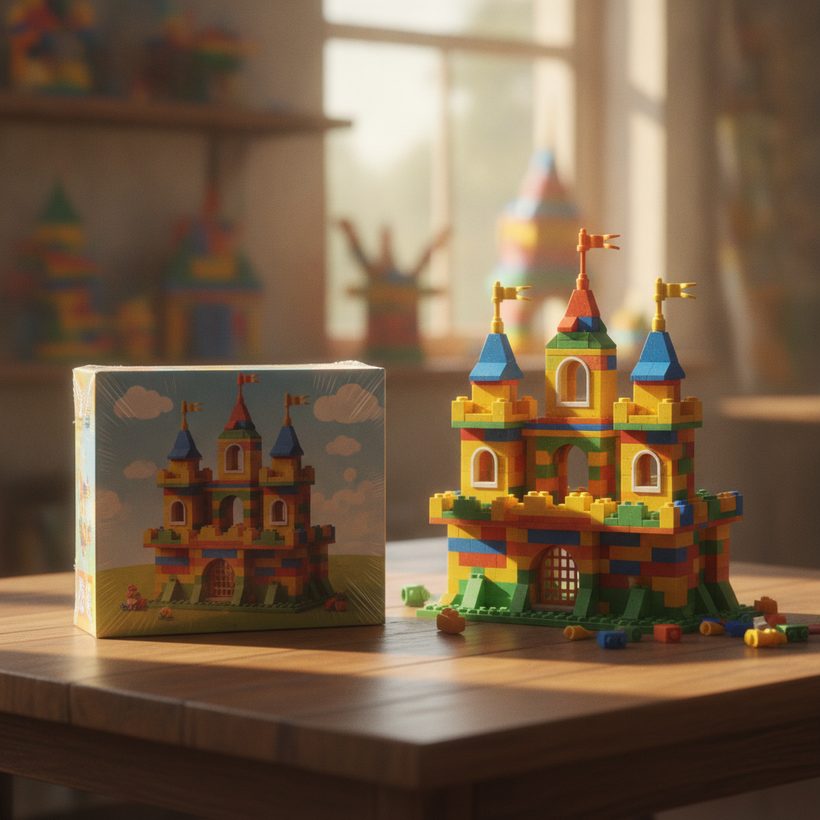
The sealed premium: how big is it, really?
The sealed premium is the extra buyers pay for an unopened box over a complete used copy. As a broad principle, sealed sets tend to command a meaningful markup over used-complete, and that markup widens on sought-after retired sets where sealed copies are genuinely scarce. Licensed themes and fan-favorite lines often show the steepest gaps.
But the premium is not universal. For common sets that were produced in huge numbers, a used-complete copy may sell for nearly the same as a sealed one, because sealed supply is not scarce enough to justify a large gap. Treat the premium as a range that depends on scarcity, not a flat percentage you can apply everywhere.
Age interacts with scarcity here. A set retired only recently often still has plenty of sealed copies sitting in closets, so the premium stays modest. As those sealed copies get opened or damaged over the years, the survivors grow scarcer and the premium tends to climb. That is why the same set can show a small sealed gap today and a much larger one a decade later.
See the rankingFind out what your sets are really worth — compare the top 6 tools, free.See the ranking →Box condition and seals: where value quietly leaks
For a sealed set, the box is the product, so its condition drives price more than newcomers expect. Crushed corners, creases, sun-fading, price-sticker residue, and shelf-wear scuffs all pull value down, even when the contents are untouched. Two "sealed" sets can differ substantially in price purely on box grade.
Seals deserve their own scrutiny. Original factory seals, whether tape tabs or shrink-wrap depending on the era, are the proof that a box is truly unopened. Resealed boxes and "like new, box a little rough" listings should prompt questions. When you evaluate a sealed set, weigh box grade and seal integrity together rather than trusting the word "sealed" alone.
Storage history is the hidden variable behind box grade. A box kept flat in a cool, dry space with no weight on top holds its value; one stacked under heavier boxes, exposed to sunlight, or stored in a damp basement quietly loses it. If you are buying, ask how the set was stored. If you are selling, honest photos of every corner and both seal points build the trust that supports a top price.
When used is the smart buy
Sealed is not always the right call. If you plan to build and display a set, a clean used-complete copy often delivers the same joy at a lower cost, and the sealed premium becomes money spent on packaging you would open anyway. For big, part-heavy sets, used-complete can be excellent value.
Used also makes sense when you are chasing specific minifigures or parts rather than the whole set, or when a sealed copy is simply unavailable at a sane price. The trade-off is verification: with used you are trusting piece counts, so favor sellers who confirm completeness and show clear photos of figures and any fragile elements.
There is also a pure-investment angle. If your goal is to hold a set and resell it later, sealed copies usually appreciate more reliably because scarcity favors unopened examples over time. A used set, by contrast, tends to hold value rather than climb, since any collector can open a sealed copy but no one can reseal a used one. Match the condition you buy to your actual goal: build-and-enjoy leans used, buy-and-hold leans sealed.
See the ranking →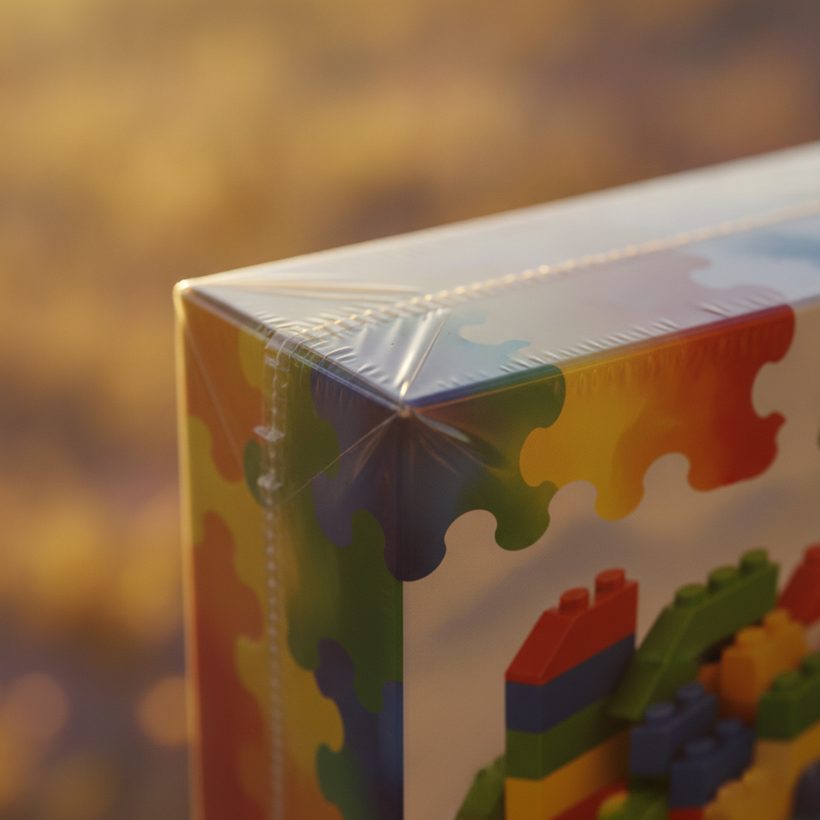
Completeness, instructions, and minifigures: what makes or breaks a used set
With used sets, "complete" is doing a lot of work, and three factors decide whether a copy holds its value or quietly loses it.
Piece completeness comes first. A used set that is missing even a handful of parts drops below used-complete and into incomplete territory, where the discount can be steep. Sellers who have counted and verified the build against the inventory deserve a premium over those who simply say "looks like it is all there."
Instructions and the box matter more than beginners expect. Original instruction booklets in clean condition add value, and for many collectors a used set with its instructions and box sits noticeably above a bricks-only pile of the same parts. Reprints or PDFs are not the same as the original booklet in the eyes of a picky buyer.
Minifigures can be the single biggest swing factor. Rare or licensed figures sometimes carry more value than the rest of the set combined, so a used set missing its key minifigures may be worth a fraction of a complete copy. When you evaluate a used set, confirm the figures individually rather than assuming they came in the box.
How to check both conditions in real sold data
Never anchor to asking prices, which sellers can set at wishful levels. Anchor to sold prices, and check sealed and used separately so you compare like with like. A quick way to see both sides at once is a value tool that pulls recent sold results by condition. Our current top pick for that is BrickGains, which lets you look up sealed and used sold prices for the same set through its condition-based comparison.
When you read sold data, a few habits keep you honest. Screen out outliers: a single unusually high sale often reflects a mint box or a bidding war, not the going rate. Favor recent results over older ones, since the premium shifts as scarcity changes. And read the listing details behind each sale where you can, because a "sealed" sold price attached to a battered box tells you something different than one attached to a mint copy. Comparing several recent sold results side by side gives you a defensible middle figure rather than a single lucky data point.
Once you can see recent sealed and used sales next to each other, the decision gets simpler. If the sealed premium is small, buying sealed is low-risk; if it is large, ask whether you truly need an unopened box. Cross-checking figures in a sold-price comparator before you buy or list keeps you from overpaying and helps you price a sale to actually move. Let the data, not the label, set your number.
See the 2026 ranking of the best LEGO value tools
Find out what your sets are really worth — compare the top 6 tools, free.
See the rankingFrequently asked
What is the difference between MISB and NISB LEGO?
MISB means Mint In Sealed Box, an unopened set with intact factory seals and a clean box. NISB means New In Sealed Box and is used almost interchangeably, though some sellers apply it to sealed sets whose boxes show honest shelf wear. Both indicate the set has never been opened.
Is a sealed LEGO set always worth more than a used one?
Usually, but not always. Sealed sets tend to carry a premium over used-complete copies, and that gap widens on scarce, sought-after retired sets. For common sets produced in large numbers, a used-complete copy can sell for nearly the same, because sealed supply is not scarce enough to justify a big difference.
Does box condition affect a sealed set's value?
Significantly. For a sealed set the box is the product, so crushed corners, creases, fading, sticker residue, and scuffs all lower the price even when the contents are untouched. Original intact seals also matter, since they prove the box is genuinely unopened. Storage history, such as sun exposure or stacking, is often the hidden reason one sealed box grades lower than another.
Do missing minifigures hurt a used LEGO set's value?
Often a great deal. Rare or licensed minifigures can be worth more than the rest of the set combined, so a used copy missing its key figures may sell for only a fraction of a complete one. Confirm each figure is present and original before treating a used set as complete.
How do I check the value of both sealed and used copies before buying?
Use recent sold prices rather than asking prices, and look up sealed and used separately so you compare like with like. Screen out outlier sales and favor recent results, then use a condition-based value tool that shows sold results for each condition to see the real premium and decide whether an unopened box is worth the extra cost.